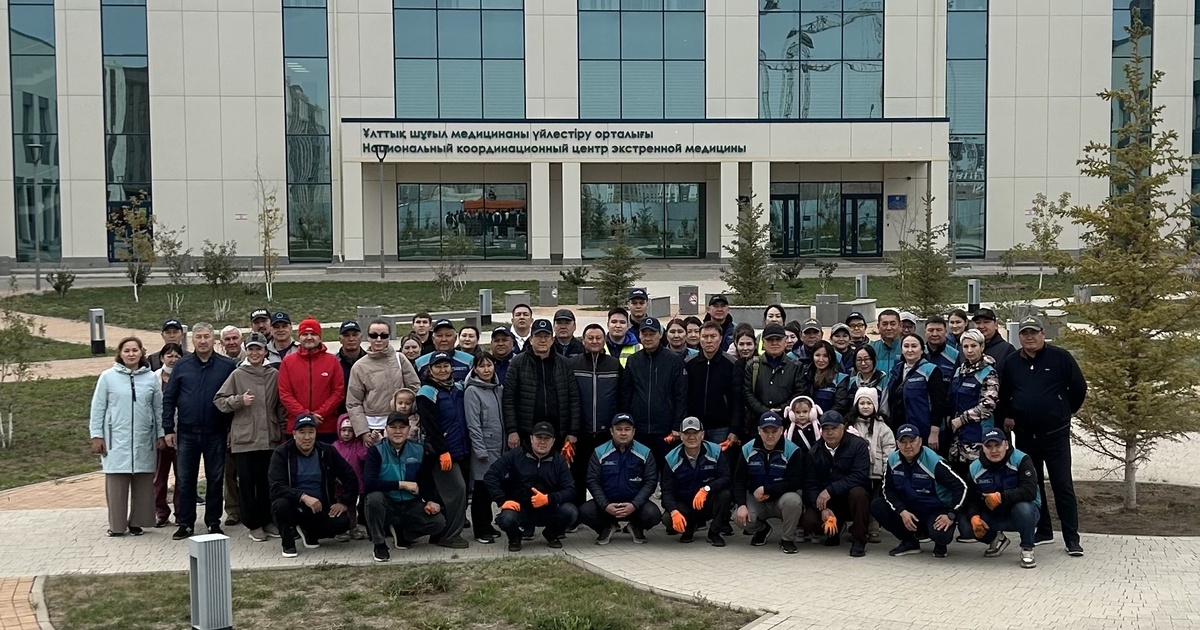
“Taza Kazakhstan”: A Clean City Is a Mirror of a Cultured Society
Albert Yessaliyev, General Director of Astana Tazalyk LLP, will give a live interview on Shalqar radio about the cleanliness of the city, environmental culture, and the importance of a responsible attitude toward the environment.
On October 13 at 11:30, Albert Yessaliyev, General Director of Astana Tazalyk limited liability partnership, will give an interview titled “A Clean City – A Cultured Environment” on the “Bugingi Soz” program on Shalqar radio. During the broadcast, the discussion will cover work to keep the capital clean, the environmental culture of residents, and the significance of the nationwide environmental program “Taza Kazakhstan,” being implemented on the initiative of the Head of State.
Cleanliness Is a Shared Responsibility
The “Taza Kazakhstan” initiative aims to protect the environment, improve the sanitary condition of settlements, promote careful use of natural resources, and build an environmental culture in society. The effectiveness of this work depends on the joint efforts of government bodies, utility services, public organizations, and every citizen.
Astana Tazalyk plays an important role in keeping the streets and public spaces of Astana clean. The company’s employees work every day to maintain the sanitary condition of the city, clean streets, tidy roadsides, and carry out seasonal work.
The city’s cleanliness depends not only on the operation of special equipment or the efforts of utility services. Not littering in public places, taking household waste to designated locations, taking care of shared property, and respecting the work of those who keep the city clean are also important indicators of environmental culture.
Great Responsibility Stands Behind Daily Work
Behind the clean and comfortable streets of the capital is the daily work of thousands of employees. Both before pedestrian and vehicle traffic begins and at the height of city life, cleaning specialists carry out their duties and keep the condition of public spaces under control.
The work of Astana Tazalyk changes with the seasons. In spring and summer, the company cleans streets, reduces dust, and maintains territories; in autumn, it collects fallen leaves; and in winter, snow removal and measures to prevent ice are stepped up.
This work not only improves the appearance of the city but also directly affects residents’ safety, the comfort of public spaces, and the sanitary condition of the urban environment.
Alongside improving the quality of cleaning work, the company’s important tasks include ensuring occupational safety, making efficient use of modern equipment, and improving employees’ working conditions.
Environmental Culture Begins in the Family
To build a clean and comfortable city, it is not enough to regard cleanliness solely as the duty of utility services. Environmental culture shows in a person’s daily habits, in upbringing within the family, and in behavior in public.
For example, putting litter in designated bins, leaving recreation areas tidy after use, not damaging green spaces, and not polluting the environment are simple actions that lead to great results.
If every resident follows these principles, their contribution to keeping the city’s streets clean will grow. That is why the meaning of the “Taza Kazakhstan” initiative is not limited to cleaning a particular area. Its main goal is to make cleanliness a lasting value of society.
The work of Astana Tazalyk is closely linked to this shared goal. While utility workers keep the city clean, residents’ responsible attitude allows the results of that work to last.
A Clean City Is an Indicator of a Cultured Environment
In Albert Yessaliyev’s interview on Shalqar radio, the discussion will cover the specifics of daily work to keep the capital clean, the mutual responsibility of residents and utility services, and issues in developing environmental culture.
Within the nationwide “Taza Kazakhstan” initiative, the importance of work to protect the environment and keep public spaces clean continues to grow. In this regard, the personal responsibility of every citizen and participation in the common cause are especially significant.
A clean city is not the result of a single day’s work. It is built through systematic daily effort, a responsible attitude, and a shared culture.
Astana Tazalyk LLP
Public Relations and Press Department