Order and Cleanliness – The Golden Foundation of National Ideology
Albert Yesaliyev, General Director of Astana Tazalyq LLP, shared his views on the importance of fostering a culture of cleanliness and public responsibility.
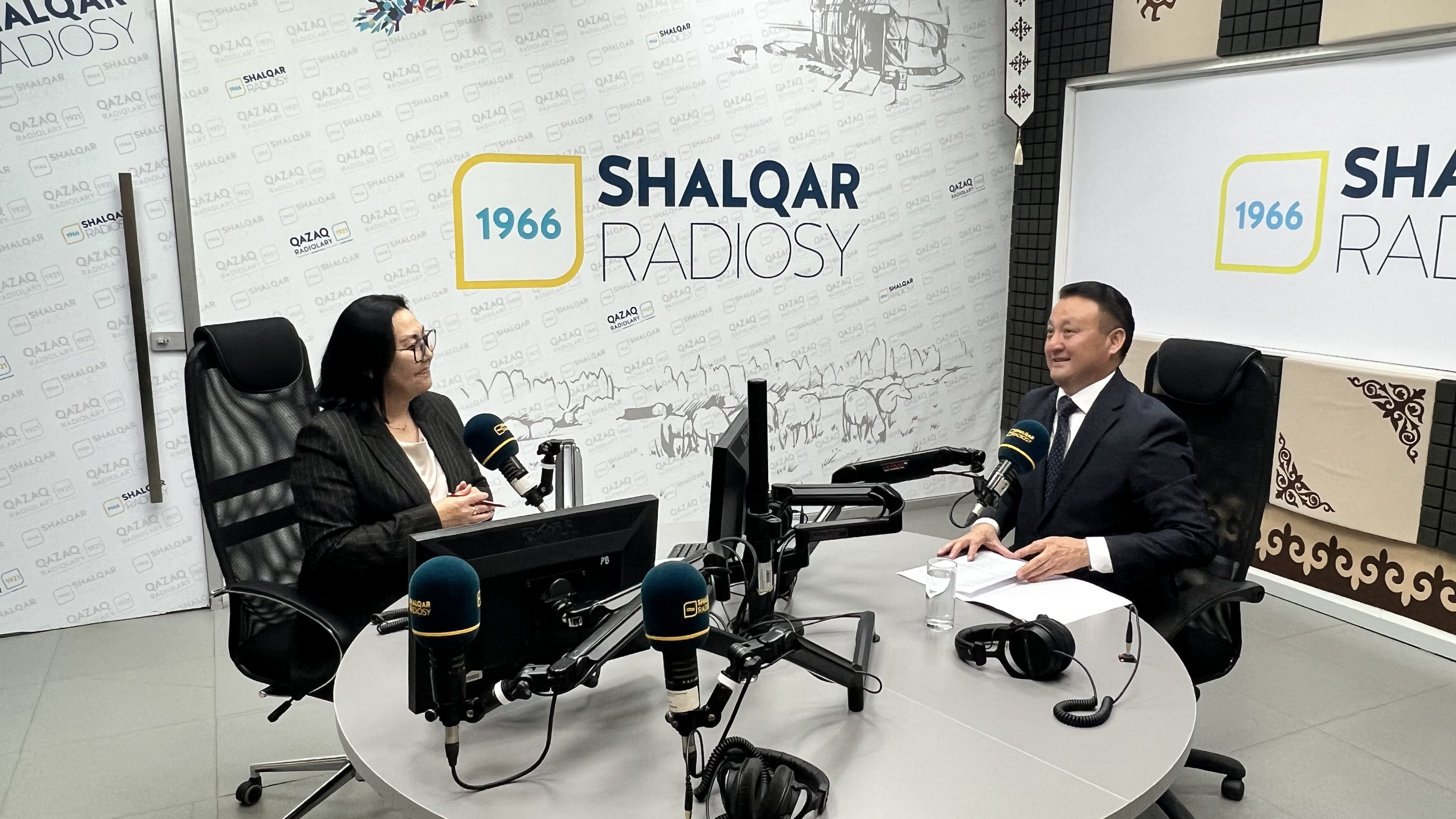
The roundtable discussion, published in the Egemen Qazaqstan newspaper as part of the article “Cleanliness and Order: The Golden Foundation of National Ideology,” focused on promoting a culture of cleanliness, responsible attitudes toward the environment, and waste sorting.
The main objective of the meeting was to highlight the importance of cleanliness and order in society and discuss initiatives aimed at developing environmental awareness. Participants addressed the need to maintain clean public spaces, protect the environment, and strengthen every citizen’s sense of responsibility.
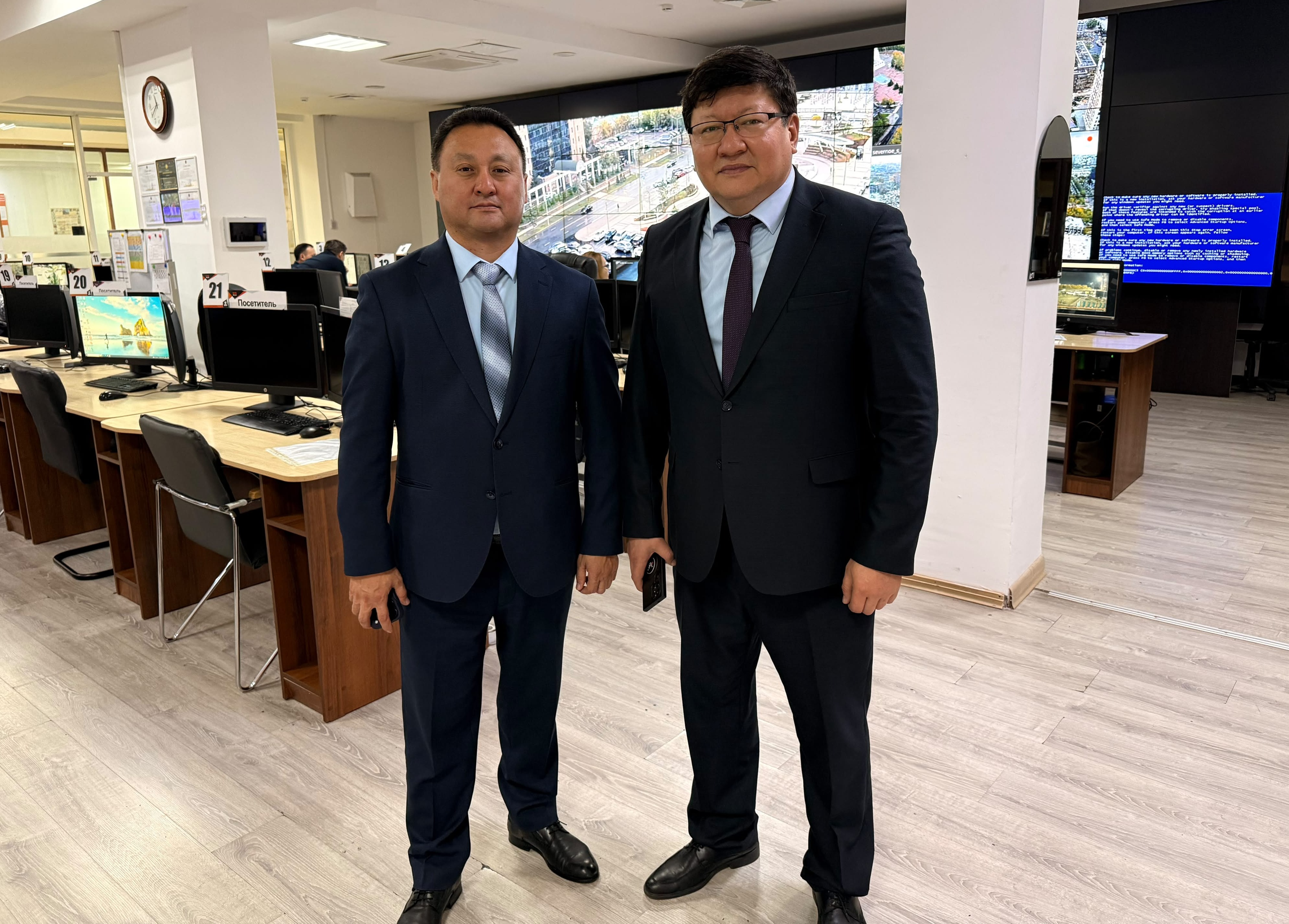
Albert Yesaliyev, General Director of Astana Tazalyq LLP, took part in the roundtable and shared his views on the work involved in keeping the city clean and the responsibility of its residents.
“Keeping a city clean is no easy task. However, there is an even more important challenge: changing people’s attitudes toward maintaining cleanliness,” the head of the company noted.
According to Albert Yesaliyev, the cleanliness of the city’s streets depends on the daily dedication of sanitation workers. They start work early in the morning and sometimes continue until midnight. They carry out their duties in both winter frosts and summer heat. Therefore, keeping the city clean and preserving that cleanliness must go hand in hand.
The head of the company also emphasized the importance of developing environmental awareness from an early age. To this end, Astana Tazalyq LLP plans to launch a series of open lessons for schoolchildren in cooperation with educational institutions. During these sessions, children will learn about the daily work of sanitation workers, the purpose of specialized vehicles, and the waste collection process.
“Only by seeing this work firsthand can a child truly understand its importance. A student who learns about the work of sanitation workers today may consciously choose not to litter the streets tomorrow,” Albert Yesaliyev emphasized.
The roundtable also addressed the development of waste-sorting habits. In this regard, it is important to create convenient conditions for residents, ensure easy access to separate waste collection containers, empty them on time, and deliver the collected waste to the appropriate processing or disposal facilities.
Building a culture of cleanliness requires consistent efforts, shared social responsibility, and changes in everyday habits. Only when every resident treats public spaces with care and contributes to keeping them clean can the capital become a more attractive, comfortable, and pleasant place to live.
Astana Tazalyq LLP
Department for Media Relations and Public Relations